


When I think of summer, I think of swimming. Lounging by the pool or reading a great book on the beach. When I had kids, these things became so much more stressful. I still love them, but no longer is there relaxation. It’s constant undivided attention.
I worry about whether they’re strong enough swimmers, rip currents, sharks, or diving into water that is not deep enough.
But I don’t think I’ve ever worried that a microscopic organism would go up their nose, travel up to their brain and kill them.
Because not only is it a horrifying thought, it’s also incredibly rare.
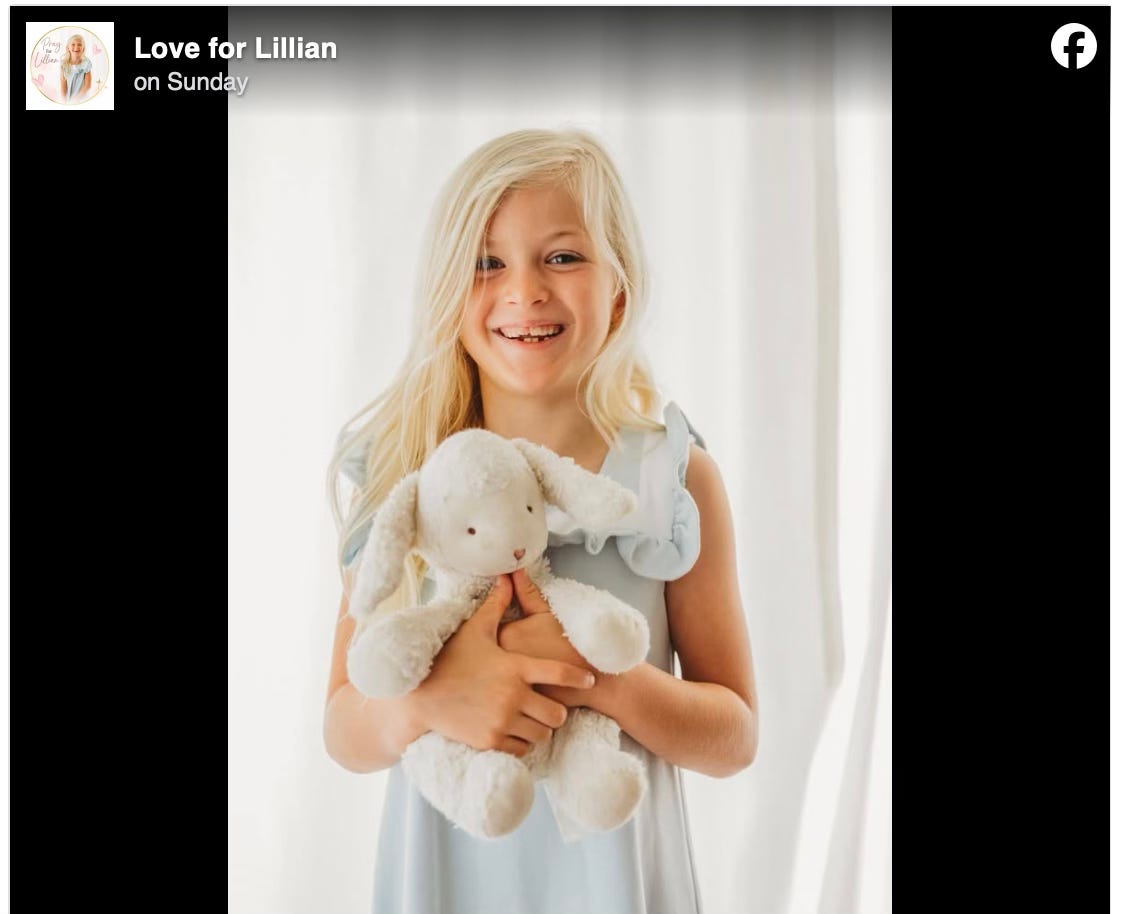
But according to Louisiana health officials, that’s likely what happened to 8-year-old Lillian Smart.
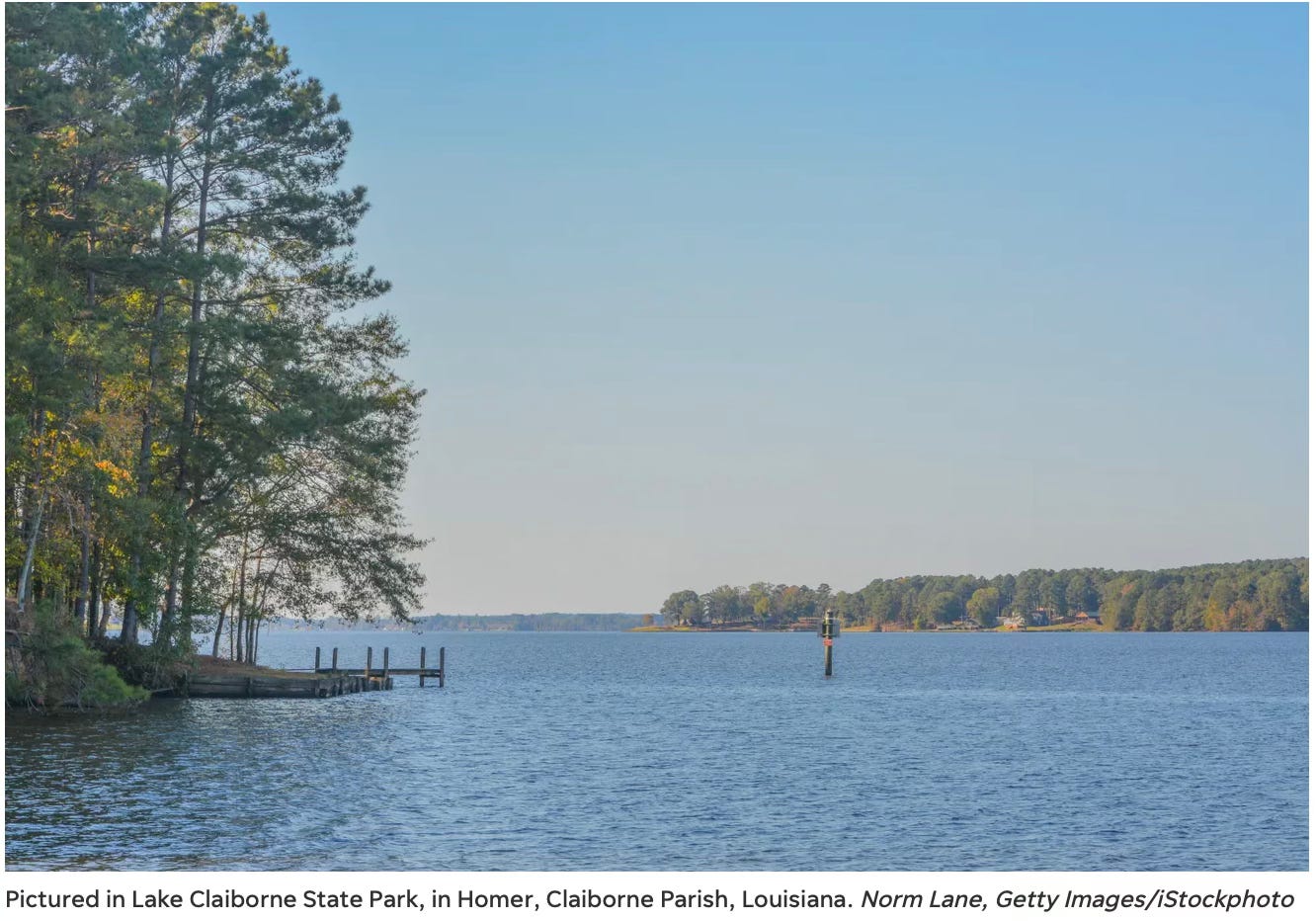
Lillian, from the Ruston, Louisiana, area, became ill after swimming in Lake Claiborne in northern Louisiana.
The Louisiana Department of Health believes Lillian likely contracted Naegleria fowleri during that swim, according to reporting from the Associated Press.
It’s commonly—and terrifyingly—known as the “brain-eating amoeba.”
Lillian was hospitalized on August 15. A week later she turned eight years old. The following day, August 22, she died.
What the Hell Is a Brain-Eating Amoeba?
Naegleria fowleri is a microscopic amoeba that lives in warm freshwater.
The wildest thing about this is you don’t get infected by drinking contaminated water.
The Associated Press explains that infection occurs when contaminated water enters the nose, allowing the amoeba to travel to the brain, where it causes an infection called primary amoebic meningoencephalitis, or PAM.
It cannot spread from one person to another and the chances of this occurring are extraordinary rare.
According to AP’s reporting based on CDC data, there were about 180 known infections in the United States between 1937 and 2025.
However, unfortunately when infection does occur, it is almost always fatal.
The rarity of this occurrence makes Lillian’s story even more tragic.
Millions upon millions of people swim in lakes.
Lillian was the incredibly unlucky child for whom an ordinary summer swim became catastrophic.
She Turned 8 in the Hospital
My son turns 8 next month. He’s just a baby. He’s still writing some of his letters and numbers backward. This world is still so incredibly new to him. There’s still so much more for him to see and experience. I cannot imagine his life being cut short by something so innocent as a day at the lake.
There is no good news for Lillian's family in this story. But there is evidence everywhere that they are surrounded by people who love them. While Lillian was fighting the infection, her community was showing up for her back at home.
Local businesses in Ruston organized a “Love for Lillian” fundraiser for August 21—Lillian’s eighth birthday.
Businesses throughout the community pledged portions of their sales to help her family. People wore shirts supporting Lillian. A local business owner described her as a child who seemed to carry happiness with her wherever she went.
Imagine that for a second.
Your eighth birthday.
There should be cake.
Presents.
Friends.
Somebody singing Happy Birthday while you sit there awkwardly waiting to blow out the candles.
Instead, Lillian was in the hospital fighting an infection almost nobody has ever heard of while an entire community tried to help her family.
She died the next day.
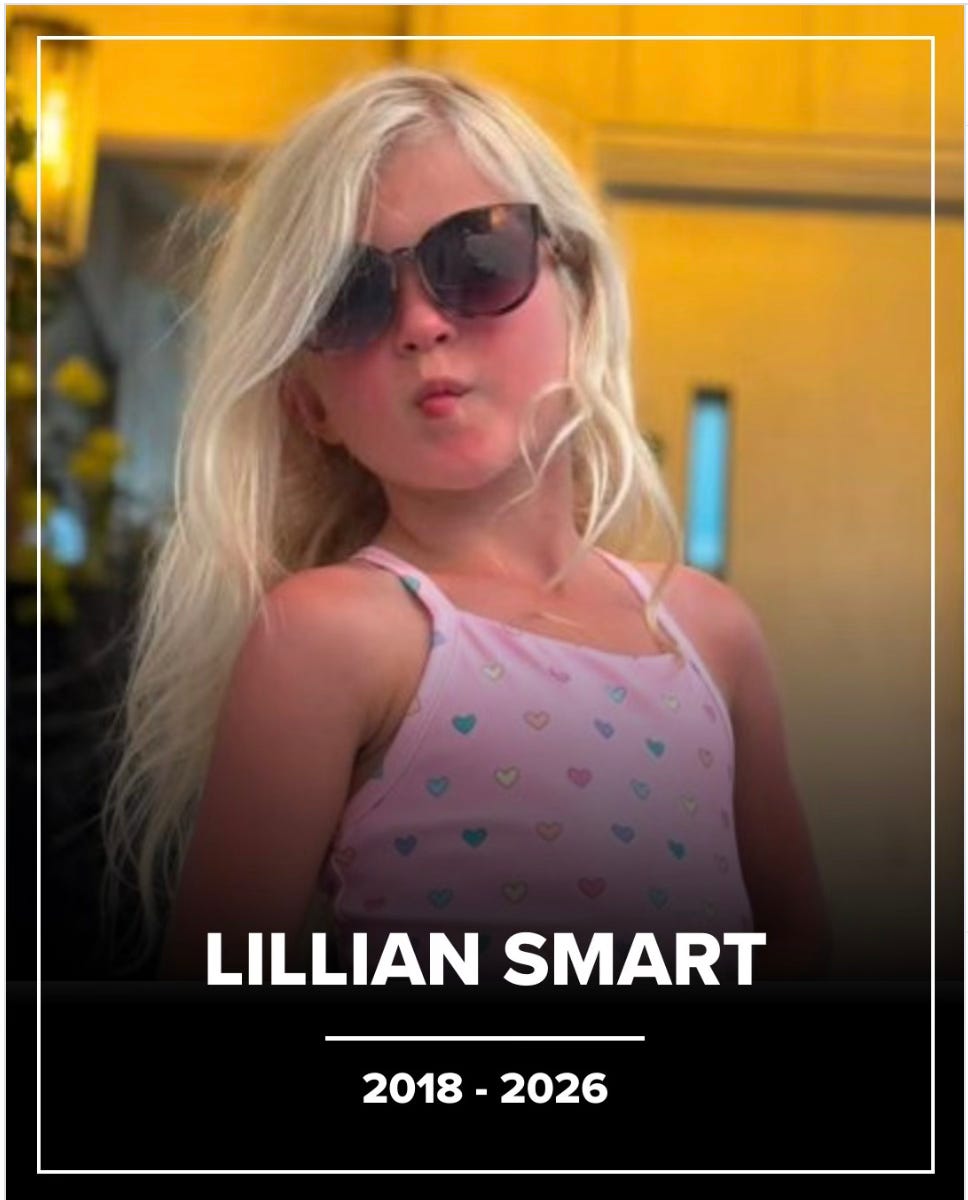
According to Lillian’s published obituary, she was born August 21, 2018.
She died August 22, 2026.
Eight years and one day apart.
So How Do You Protect Yourself From Something This Rare?
I don’t think the lesson from Lillian’s death should be don’t swim in lakes.
The infection is simply too rare for that to be a reasonable takeaway.
But knowing how it happens gives us something useful we can actually do with this horrible story.
Because the important part is the nose.
When swimming in warm freshwater, health authorities recommend taking steps to reduce the chance of water being forced up your nose, particularly when water temperatures are high.
According to CDC prevention guidance, that can include holding your nose or using nose clips when jumping or diving into warm freshwater, keeping your head above water, and avoiding digging in or stirring up sediment in shallow warm freshwater.
And again:
Swallowing the water isn’t what causes this infection.
The dangerous route is contaminated water entering the nose and reaching the brain.
That is a distinction I didn’t know before reading about Lillian.
Maybe Today’s Good Deed Can Be Done a Few Ways
If you’re able, help Lillian’s family with the expenses they’re facing, there’s a GoFundMe.
If donating isn’t an option, learn the name Naegleria fowleri and remember one thing from this story:
The nose matters.
Tell another parent.
Buy the nose clips.
And if you’d like to honor Lillian in the way her family has requested, her memorial information says contributions may also be made to the First Baptist Church Ruston Building Fund in lieu of flowers.
None of those things changes what happened to Lillian.
But maybe eight years and one day of life can still teach the rest of us something that keeps another child a little safer.